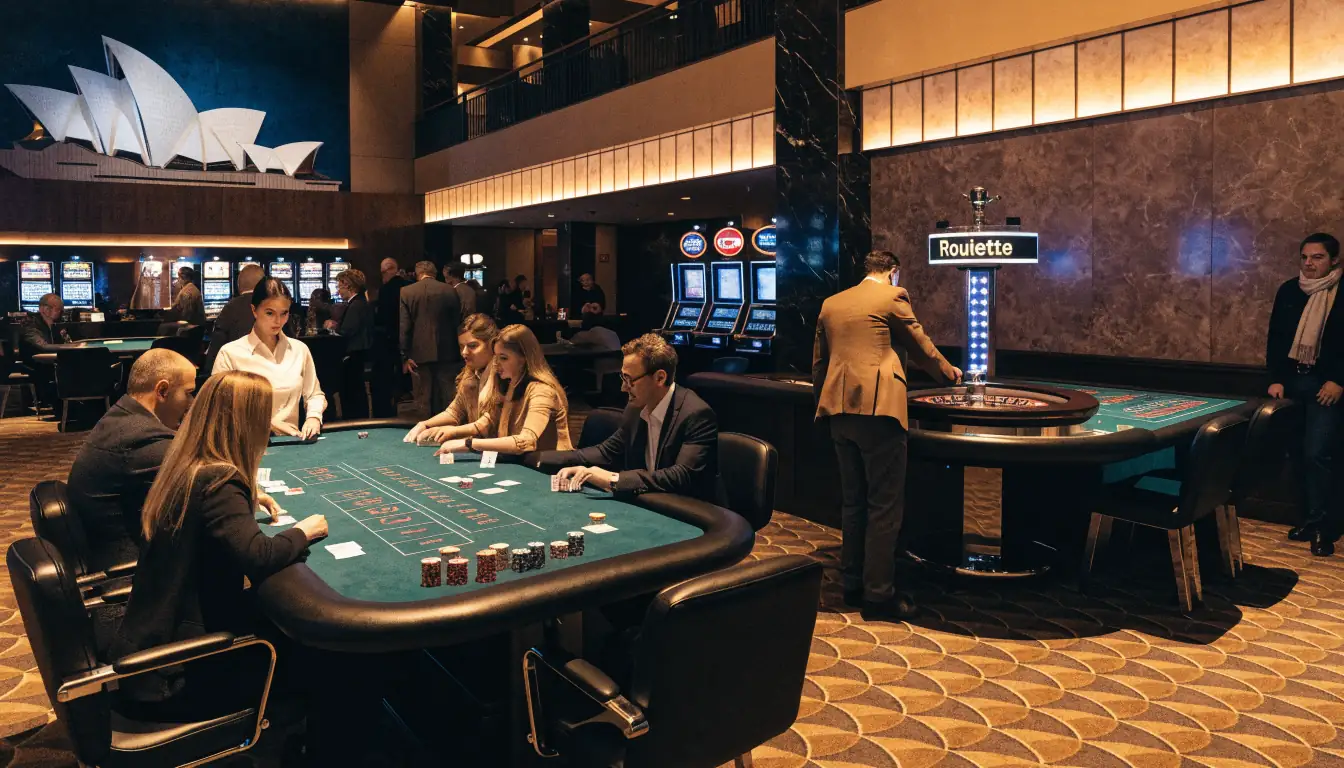
Plinko Casino Australia 2026: What Actually Applies to You
 Available in AU
- Understanding the Australian Online Casino Landscape
- Plinko as a Slot Game: Mechanics and Popularity
- Varieties of Casino Games Available to Australian Players
- Playing Plinko for Real Money in Australia
- Free Play and Demo Options for Plinko
- Plinko and Cryptocurrency: What You Need to Know
- Critical Review Points for Plinko Casinos
- What Is Plinko Casino in Australia 2026?
- Australian Casinos Offering Plinko: Availability and Restrictions
- Lucky Guru and Plinko: My Take on the Hype
Understanding the Australian Online Casino Landscape
I spent years watching how operators structure their offer to Australian players, and the first thing worth clearing up is that "Australian online casino" is a misleading phrase before you even get to Plinko. There’s no such licence. What exists is a market of offshore-licensed sites that Australians can legally visit, sitting inside a legal framework that regulates the operators, not the people clicking play.
The framework in question is the Interactive Gambling Act 2001 (IGA), Commonwealth legislation built around harm minimisation rather than prohibition of the player. The Australian Communications and Media Authority (ACMA) oversees this space. Its job isn’t to license local online casinos — it can’t, because that licence category doesn’t exist domestically — its job is to police who is offering these services into Australia. Online casino-style games, including slots, poker, blackjack and roulette, are prohibited under the IGA when offered by an operator into this market. Sports betting online is a different story entirely: state and territory licensing schemes make it legal, which is why Australians see betting ads everywhere but never see a local casino ad with an ACMA licence number in the footer. There isn’t one to show.
None of this makes it illegal for an individual to play at an offshore-licensed site. The law was written to target the businesses supplying the games, not the person sitting on the couch. That distinction gets blurred constantly in casual conversation, and it’s worth holding onto before reading anything else about Plinko: playing is not the crime; running an unlicensed casino into Australia is.
Where the growth is actually happening
By industry accounts, the online casino sector — globally, and by extension in the Australian-facing offshore market — has picked up pace on the back of broader technological change: faster connections, better mobile builds, live-streaming infrastructure that didn’t exist a decade ago. One industry review I’ve seen tracking this space also notes the number of online casino sites available to Australians, including those built specifically with local player habits in mind, has been climbing. I’d treat that as a direction rather than a hard count — it’s one source’s read on a market that reshuffles constantly, with sites appearing, rebranding, and disappearing behind new domains often enough that any fixed number goes stale within a season.
What hasn’t changed is the underlying game architecture. Two mechanisms sit behind almost everything on offer:
- RNG-based games — outcomes generated by software, the same principle underpinning everything from online pokies to Plinko-style titles.
- Live-dealer games — streamed in real time with a professional dealer running the table, built to replicate a physical casino floor rather than simulate one mathematically.

Both categories are common across the sites Australians access, and the split between them is one of the more stable features of an otherwise fast-moving market.
Fairness isn’t a marketing line
"Fair" gets printed on a lot of homepages, and it’s one of those words that means nothing until you check what’s behind it. In practice, legitimate operators run their RNG software through independent testing agencies, with audits repeated on a regular basis rather than done once at launch and forgotten. That auditing is the actual substance behind the word "fair" — not the word itself, which any operator can print regardless of whether the testing happens. When a site talks about randomness or fairness without pointing to who audits it, that’s the gap worth noticing.
The bonus language that needs translating
Every operator in this space leans on bonus offers to pull in traffic, and every one of those offers comes wrapped in conditions that rarely get read past the headline number. Wagering requirements, restrictions on which games count toward clearing them, and expiry windows are standard features, not exceptions. I’ve seen the same bonus structure marketed as generous by one site and as a trap by a review of the same terms elsewhere — the terms don’t change, only the framing does. None of that is unique to Plinko or any single game type; it’s baked into how the whole promotional layer of the market works.
Age and the boundary that actually holds
The one line that doesn’t bend anywhere in this market: eighteen. That’s the minimum age to play at any operator serving Australians, full stop. Age gating sits alongside the harm-minimisation intent of the IGA itself — the law isn’t neutral on this point, it exists partly because of it.
Playing Plinko for real money is not illegal for Australian players, but only offshore‑licensed operators may offer it; any domestic operator attempting to provide the game would be breaching the Interactive Gambling Act.
Responsible-gambling messaging, self-exclusion tools, and spending controls are meant to sit next to that age gate, not instead of it. How rigorously any given site enforces the age check versus how loudly it advertises its responsible-gambling credentials are two separate questions, and they don’t always get the same answer.
Why this matters before Plinko specifically
Plinko sits inside this exact structure — no separate licence, no separate legal status, no separate age rule. It’s an RNG-based game running on the same offshore infrastructure, subject to the same audit expectations, the same bonus mechanics, and the same absence of a domestic licence that applies to every other slot-style title on these platforms. Understanding that landscape first is what makes the more specific questions about Plinko — how it plays, where it’s offered, what "real money" actually means here — worth asking in the right order.
Plinko as a Slot Game: Mechanics and Popularity
Plinko didn’t start life as a casino product. It’s a drop-a-disc mechanic borrowed from a television game show, and somewhere along the way slot studios looked at that board full of pegs and saw a betting engine. Strip away the branding and what’s left is simple: a ball falls through a grid, bounces off pegs in a path nobody controls, and lands in a slot at the bottom that pays out according to a fixed table. No reels, no paylines, no bonus rounds stacked on bonus rounds. That simplicity is the whole pitch.
Under the hood it runs the same way every other digital slot does. The physical-looking bounce is cosmetic — the actual result comes from an RNG call the instant the ball drops, and the animation is just dressing that gets layered on afterward to make the outcome feel earned. I’ve sat through enough platform demos to know that the "physics" in these games is almost always a visual skin wrapped around a number that was already decided. That’s not a criticism of Plinko specifically; it’s how every RNG-based slot works, Plinko included, and the games sit comfortably inside that same regulatory and technical category as any other online pokie.
Why it plays differently from a reel slot
A traditional pokie has dozens of moving parts: symbol weighting, scatter triggers, multiplier stacks, free-spin retriggers. Plinko has one decision — how many rows the ball drops through — and one visible outcome — where it lands. Volatility is baked into the board layout itself rather than hidden in a paytable nobody reads. A wider board with more slots spreads outcomes further; a narrower one tightens them. Players can see the shape of their own risk before they drop a single ball, which is a rarer thing in this market than the marketing copy admits.
That visibility is probably the biggest reason the format has caught on. Most online pokies ask for a level of trust that’s hard to verify from the player’s chair — you’re told the RTP, you’re told it’s audited, and you take it on faith because the reels don’t explain themselves. A Plinko board explains itself. You can watch a hundred drops and start to feel the shape of the distribution, even if the actual math behind each individual drop was set by the same RNG core running underneath.
Games that rely on a random‑number generator to determine outcomes, such as online pokies and Plinko, with results decided before any animation is shown.
Games streamed in real time where a human dealer runs the table, replicating the experience of a physical casino floor.
Some platforms combine RNG mechanics with live‑dealer elements, but the core outcome is still produced by an RNG engine.
Fitting into the Australian slot market
Slot-style games are the dominant category on most Australian online casino sites, and locals still call them pokies whether they’re playing a five-reel classic or a peg-board drop game. Plinko sits inside that same bucket. It’s marketed as a slot, licensed as a slot where it’s licensed at all, and audited the same way — which matters, because Australia’s relationship with poker machines is not casual. Australians bet close to AUD$150 billion through electronic gaming machines in FY 2020-2021 alone, and lost around AUD$12 billion of it, working out to roughly AUD$608 per person across the country. Australia holds about 3% of the world’s pub and club poker machines while accounting for just 0.3% of its population — numbers that come from land-based pokies, not online Plinko boards, but they say something about the appetite this market already has for exactly this kind of mechanic before a screen was ever involved.
New South Wales alone carries something like 95,800 poker machines. The Central Coast region has 4,672 of them — about one in every 42 machines in the country sitting in that one stretch of NSW. Break it down further: Gosford has roughly 1,928 pokies, about one machine for every 71 adults living there. Wyong has around 2,608, closer to one machine per 47 adults. Those are physical venues, one-armed bandits in clubs and pubs, but they’re the cultural backdrop Plinko slots are dropping into online. A population that already treats a simple, repetitive, fast-cycle machine as a normal night out doesn’t need much convincing to try a version of the same idea on a phone screen.
Why the format spread beyond one studio
Once one provider proved the board mechanic could carry a slot-style game, others followed, which is why searches for it now turn up dozens of near-identical titles rather than one product. Some keep the drop-and-land structure close to the original TV format; others bolt on multipliers, side bets, or a themed skin over the same falling-ball engine. The names change — some lean into mythology, some into speed, some just brand it as a straightforward drop game — but the mechanic underneath rarely does. That’s worth knowing before assuming any particular title is doing something structurally different from the rest; in most cases the "innovation" is cosmetic, and the RNG core is doing what RNG cores always do.
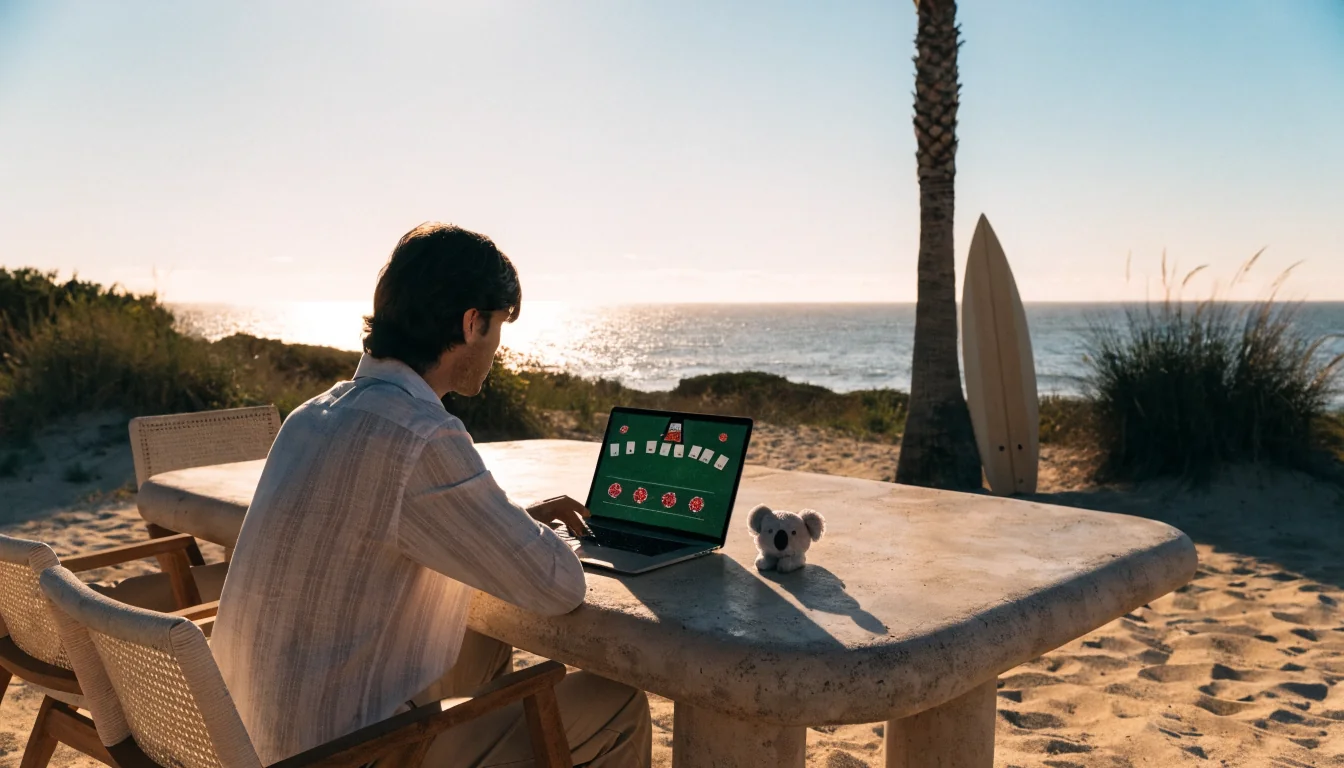
This is also where the "provably fair" language shows up a lot in marketing around these games. It sounds like a guarantee. What it actually promises — and only in the specific implementations where it’s genuinely built in — is that a player can verify a given result wasn’t altered after the fact, not that the odds are generous or that the board is somehow more honest than a five-reel pokie sitting next to it. Worth remembering before treating the phrase as a stamp of approval rather than a technical feature.
Demo play and how it’s used
Like most other slot titles in this market, a large share of Plinko games can be tried in demo mode using virtual credits rather than real balance. That’s standard across the online pokies category generally, not something unique to the drop-ball format, and it’s the same mechanism players use to test volatility on a reel slot before committing anything real. Because Plinko’s board structure is visible rather than hidden in a paytable, demo play here does something slightly more useful than it does on a typical reel game — it lets a player actually watch the spread of outcomes take shape over repeated drops before deciding whether that spread suits them.
The appeal, stripped down
Ask why Plinko slots have found an audience in Australia and the honest answer isn’t mystical. It’s fast. One decision, one drop, one result — no reading a rules page to understand what a scatter symbol does. The visual is satisfying to watch even when nothing much is at stake, which matters more for retention than most game designers will say out loud in an interview. And it plugs into a physical intuition — dropping something and watching it bounce — that reel spinning never quite replicated. None of that changes what’s happening mathematically. Same RNG.
Same category, same rules underneath.
Varieties of Casino Games Available to Australian Players
Plinko gets attention because it’s new and it photographs well on a screenshot. But it sits inside a much bigger catalogue, and understanding what surrounds it explains why operators keep adding titles like it every month.
Card games
Poker, baccarat and blackjack are the backbone of most card sections, and each comes in a spread of variations rather than a single fixed ruleset. An operator rarely offers just "blackjack" — there’s usually a handful of versions sitting under that name, each with its own table rules. This is the category built for players who want a sense of skill or strategy influencing the outcome, even when the game is running on software rather than a physical shoe of cards.

Table games
Roulette, craps, Pai Gow and Sic Bo make up the table games section. These are older formats, ported from physical casino floors into a digital interface, and they tend to attract a different crowd than slots — players who already know the rules from land-based venues and just want the same game without leaving the house. Nothing about the underlying logic changes when a table game moves online; what changes is the interface and the pace.
Slots — the dominant category
Slot games, known locally as online pokies, are the dominant category on most Australian online casino sites. This isn’t a marginal preference — pokies are woven into Australian gambling culture well beyond the casino floor, and that familiarity carries straight through to the online version. Plinko technically lives in this bracket. It’s marketed as something separate, something new, but mechanically it shares the same DNA as a slot: a single button, a randomised drop, a payout table. The packaging is different. The category isn’t.
What holds all of it together
Every one of these categories — cards, tables, slots — runs on the same underlying mechanism. Online casino software uses Random Number Generators to determine outcomes, and those RNGs are regularly audited by independent testing agencies. That’s the part that doesn’t change no matter which game a player picks. A hand of baccarat, a spin on a pokie, a Plinko drop — all of it comes down to the same random-number engine deciding the result before any animation plays out.
I’ve sat through enough conversations with people who insist one game "feels" more honest than another because the visuals are slower, or the ball takes a moment to fall. It doesn’t work that way. The randomness sits underneath the interface, not inside the drama of the animation. Same engine. Different skin.
Where Plinko fits and where it doesn’t
Plinko isn’t a card game and it isn’t a table game — no dealer, no hand, no table limits to negotiate. It’s a slot in every practical sense, just stripped down to one mechanic instead of five reels. That’s worth naming clearly here, because the rest of this piece focuses on Plinko specifically. Everything above is the wider shelf it sits on.
None of these categories change the basic rules of who can play. The games differ; the access conditions around them don’t.
Playing Plinko for Real Money in Australia
Somebody asks me, most weeks, whether it’s actually legal to drop real money on Plinko from an Australian address. The honest answer takes longer than a yes or no, because the law was written for a different shape of problem and Plinko just happens to fall inside it.
Start with what’s actually on the books. The Interactive Gambling Act 2001 is the Commonwealth law doing the work here — though I’ve also seen it referenced as the Interactive Gambling Act 1997 in older material, and I won’t pretend that discrepancy doesn’t exist. Different sources cite different years for the same restriction. What both versions agree on is the substance: online casino-style games — slots, poker, blackjack, roulette, and by extension a game like Plinko that behaves like a slot with a drop mechanic — are prohibited under this framework. Not licensed with conditions. Prohibited.
That word "prohibited" needs a second sentence, because it’s doing less than people assume. The Act targets the businesses offering these games to Australian residents, not the residents playing them. It is not illegal for an individual in Australia to play Plinko for real money at an offshore-licensed site. Nobody is coming after a player for placing a bet. The exposure sits entirely with the operator, which is exactly why every Plinko real-money site an Australian can actually reach is licensed somewhere else — never here, because there’s no "here" to be licensed by for this category.
Compare that with sports betting, which sits in a completely different legal lane. Online sports and racing wagers are legal under state and territory licensing. That’s the product Australian-licensed operators are actually built to offer. Plinko doesn’t get that treatment. It’s grouped with casino games, and casino games — including in-play betting variants — are prohibited federally, full stop.
Who’s actually allowed to play
Two conditions travel with every real-money Plinko session, and they’re not optional extras tacked on by individual sites — they come from the same regulatory logic that shapes the whole market.
- Age. Players need to be adults. This isn’t a house rule that varies by operator; it’s baked into how the framework treats gambling generally.
- Residency. Players are expected to be Australian residents to take part in these online casino games in the first place — which sounds backwards given everything above, but the residency requirement and the prohibition on domestic licensing are answering different questions. One is about who the product is aimed at; the other is about who’s allowed to legally supply it from within the country.
The practical result: an Australian resident, 18 or older, can open an account with an offshore-licensed site and stake real money on Plinko. Nothing in the law stops that person from doing it. What the law stops is a business setting up shop inside Australia to offer it.
What "real money" actually changes
Free play and real money aren’t two settings on the same switch — they carry different weight entirely, which is worth separating from the demo conversation happening elsewhere on this page. The moment actual funds move, everything downstream changes: withdrawal requests trigger identity checks, deposit methods come with their own restrictions, and any bonus attached to that first real deposit arrives with wagering conditions that need reading before the money goes in, not after.
I’ll say this plainly because I’ve watched people skip it: the wagering terms on a welcome offer are not boilerplate. They decide whether the bonus is worth anything at all. Read them before depositing, not after the balance disappears into a "requirement" nobody explained clearly upfront.
Legal risk
Using an offshore‑licensed Plinko site means there is no Australian regulator to protect you if the operator delays withdrawals or voids bonuses; you are subject solely to the jurisdiction that issued the licence.
One more thing worth saying without dressing it up. Because there is no domestic licence for this category, there is no local regulator to complain to if a Plinko site delays a withdrawal or voids a bonus on a technicality. The recourse, such as it is, runs through whichever jurisdiction actually licensed the operator — Malta, the UK, or elsewhere. That’s a real limitation, not a technicality to skip past.
Deposits themselves come with their own boundary worth knowing before typing in card details: credit cards and digital currencies aren’t accepted for deposits or betting under the rules operators here are expected to follow. That shapes what payment options show up at checkout regardless of which site a player picks.
None of this makes Plinko unusual among online casino games — it’s subject to exactly the same legal position as every other slot-style title reachable from an Australian IP address. The novelty is in the drop-the-ball mechanic, not in the legal ground it stands on.
Age verification, residency, offshore licensing, no domestic regulator to appeal to. That’s the real-money picture. Everything else is marketing.
Free Play and Demo Options for Plinko
Demo mode is where most people actually meet Plinko for the first time. No deposit, no ID check, no account tied to a payment method — just virtual credits that reset or top up on their own. The ball drops through the same pin layout, the same RNG decides where it lands, and the only thing missing is money changing hands.
This matters more for Plinko than for most slot titles, because the appeal of the game is the drop itself — watching the ball bounce and settle. Demo credits let a player run that sequence over and over without it costing anything, which is really just a way of testing whether the pattern of the game suits them before real money enters the picture.
Free spins offered as a promotional hook are a different thing entirely, worth separating from plain demo play. Those spins are still tied to bonus terms — wagering requirements, restrictions on which games qualify, expiry dates on the offer itself. "Free" in that context describes how the round started, not what happens if it wins. Demo mode has none of that baggage. It’s free the whole way through, because nothing was ever real to begin with.
Plinko and Cryptocurrency: What You Need to Know
Bitcoin and Ethereum keep coming up around Plinko, usually attached to some site promising instant, fee-free payouts. The pitch is always the same: crypto as the "modern" way to fund play. What sits behind that word depends entirely on the operator, and none of them are Australian-licensed — because none can be.
There’s also talk of Plinko "scripts" — code sold as a way to predict or influence drop outcomes. I haven’t seen anything showing these work against an RNG-based game, and no independent testing agency has audited or verified such claims. Treat that category as marketing, not mechanics.
What’s actually documented is thin. No regulator publishes figures on crypto uptake for Plinko specifically, and no licensed body in Australia oversees crypto wagering at all, since the underlying casino activity itself falls outside any domestic licence.
The wider industry trend toward crypto payments is real. The detail of how it applies to Plinko isn’t published anywhere I could find.
Unverified claim. Move on.
Critical Review Points for Plinko Casinos
I’ve read enough Plinko write-ups to spot the pattern fast: five hundred words of "thrilling gameplay" and "seamless experience," zero mentions of what actually matters. A review that doesn’t touch licensing, payout logic, or bonus fine print isn’t a review — it’s marketing with a byline.
Since no domestic operator can legally hold an online casino licence here, the licence in question is always foreign. That’s not a red flag by itself — it’s just the baseline. What matters is whether the site names the licensing body outright or buries it three clicks deep in a footer link that goes nowhere. Vague reassurance ("fully licensed and regulated") without a named regulator tells you the reviewer didn’t check, or the operator doesn’t want you to.
Fairness claims deserve the same treatment. "Certified RNG" means nothing without saying who certified it. If a review can’t point to an actual testing body, treat the claim as unverified rather than false — those are different things, and conflating them is lazy.
Bonus terms are where most reviews go soft. A checklist worth using asks:
- Are wagering requirements stated in the review itself, or just linked to “terms apply”?
- Does the reviewer mention withdrawal restrictions tied to bonus funds?
- Is there any disclosure of how the site makes money from referring players?
None of this changes the legal picture underneath. Slots-style games including Plinko remain barred from domestic licensing under federal law — that hasn’t moved, and no glowing review changes it. Playing at an offshore-licensed site isn’t illegal for the individual; the restriction sits on the operator’s side, not the player’s. A review that skips this distinction entirely, good or bad, hasn’t done its job.
What Is Plinko Casino in Australia 2026?
Before you start spinning on any plinko casino site in 2026, it’s worth checking how each operator’s licensing, deposit terms, and payout speeds actually line up. Here’s a quick, no-nonsense breakdown to help you weigh your options.
License: Curacao Gaming Authority (Jumpman Gaming Ltd) · Bonus: up to A$6,600 + up to 250 free spins across 4 deposits Licensed under the Curacao Gaming Authority through Jumpman Gaming Ltd, this operator stands out for its multi-deposit welcome package that stretches across four deposits with a solid pile of free spins attached.
Bonus: 100% up to A$750 + 200 free spins, 35x wagering · Payout speed: crypto 30-120 minutes, fiat 24-72 hours · Min. deposit: A$30 Offers a sizeable welcome bonus paired with free spins, though the 35x wagering requirement means it’s geared toward players willing to put in the playthrough. Crypto users benefit from notably faster payout turnaround than fiat depositors.
License: Curacao OGL/2024/1335/0780 · Bonus: up to A$1,000 + 150 free spins, wager-free · Min. deposit: EUR 20 Holds a Curacao OGL license and stands out for offering a wager-free bonus, which is a rare perk that lets players withdraw winnings without playthrough hurdles.
License: Curacao · Bonus: 100% up to A$500 + 200 free spins, 10x wagering · Payout speed: crypto 30-60 minutes, fiat 1-5 days · Min. deposit: A$10 Curacao-licensed with a welcome bonus carrying a low 10x wagering requirement, plus a low minimum deposit that keeps entry accessible. Crypto payouts are notably quick compared to fiat processing times.
License: Curacao – Antillephone N.V. (Versus Odds B.V.) · Bonus: up to EUR 2,000 across 5 deposits + 200 free spins · Min. deposit: EUR 20 Licensed via Curacao’s Antillephone N.V., this operator backs a generous welcome offer spread across five deposits with a solid free spins allocation.
License: Curacao eGaming OGL/2024/923/0383 (Antillephone N.V.) · Bonus: up to A$2,000 + 100 free spins across 2 deposits · Min. deposit: A$30 Operating under a Curacao eGaming license from Antillephone N.V., it offers a two-deposit welcome bonus with free spins included, keeping the entry deposit reasonably low.
License: Curacao Gaming Control Board OGL/2023/176/0095 (Hollycorn N.V.) · Bonus: up to A$5,000 + 300 free spins across 4 deposits Licensed by the Curacao Gaming Control Board via Hollycorn N.V., this operator backs one of the larger welcome packages on the list, spread across four deposits with a generous free spins count.
License: Curacao Gaming Control Board (TechSolutions Group N.V.) · Bonus: 100% up to A$250 + 100 free spins (1st deposit) A Curacao Gaming Control Board licensed operator run by TechSolutions Group N.V., offering a straightforward first-deposit bonus paired with free spins.
License: Curacao Gaming Control Board OGL/2023/176/0095 (Hollycorn N.V.) · Bonus: up to A$11,000 + 300 free spins (code NEO100) Licensed by the Curacao Gaming Control Board through Hollycorn N.V., this operator offers one of the largest bonus figures on this list along with a generous free spins package unlocked via a bonus code.
Bonus: up to A$750 + 50 jackpot spins, 35x wagering · Payout speed: crypto ~90 minutes, fiat 1-5 days · Min. deposit: A$30 Features a welcome bonus that includes jackpot spins rather than standard free spins, with a 35x wagering requirement. Crypto withdrawals process notably faster than fiat options.
There’s no such thing as a "Plinko casino" in the sense of a dedicated licensed venue. The phrase, as it’s used around the traps this year, describes something narrower: offshore-facing sites that feature Plinko among their online pokies and market themselves under that label because the game has pulled ahead of older titles in visibility.
Plinko sits in the same bucket as other online pokies — a dominant category on most Australian-facing casino sites — rather than in a category of its own. What’s changed by 2026 isn’t the legal footing, which hasn’t moved, but the way Plinko gets pushed to the front of a site’s lobby instead of sitting a few rows down. Many of these titles can still be played in demo mode with virtual funds, same as any other pokie, which tells you the underlying mechanics haven’t shifted much either — what’s shifted is packaging.
Calling a site a "Plinko casino" is a marketing shorthand, not a category with rules attached. It doesn’t describe a licence type, a jurisdiction, or a set of protections. Two operators can both wear the label and differ on everything that actually matters — payment methods, verification steps, how disputes get handled.
That distinction matters before getting into the checklist territory covered elsewhere. Knowing what the term is — a branding choice built around one popular pokie — stops the next question, which is where these sites actually operate from and what that means for anyone playing from Australia.
Australian Casinos Offering Plinko: Availability and Restrictions
No Australian operator holds a domestic licence to run Plinko for real money. That’s not an oversight in the paperwork — there’s no paperwork to file. The Interactive Gambling Act 2001 is the Commonwealth law that governs this territory, and it was built around harm minimisation, not around approving new casino products. The Australian Communications and Media Authority enforces it. Neither exists to hand out a licence for a game like this.
So every site presenting Plinko to an Australian player is doing so from outside the country. There’s no domestic tier to compare it against.
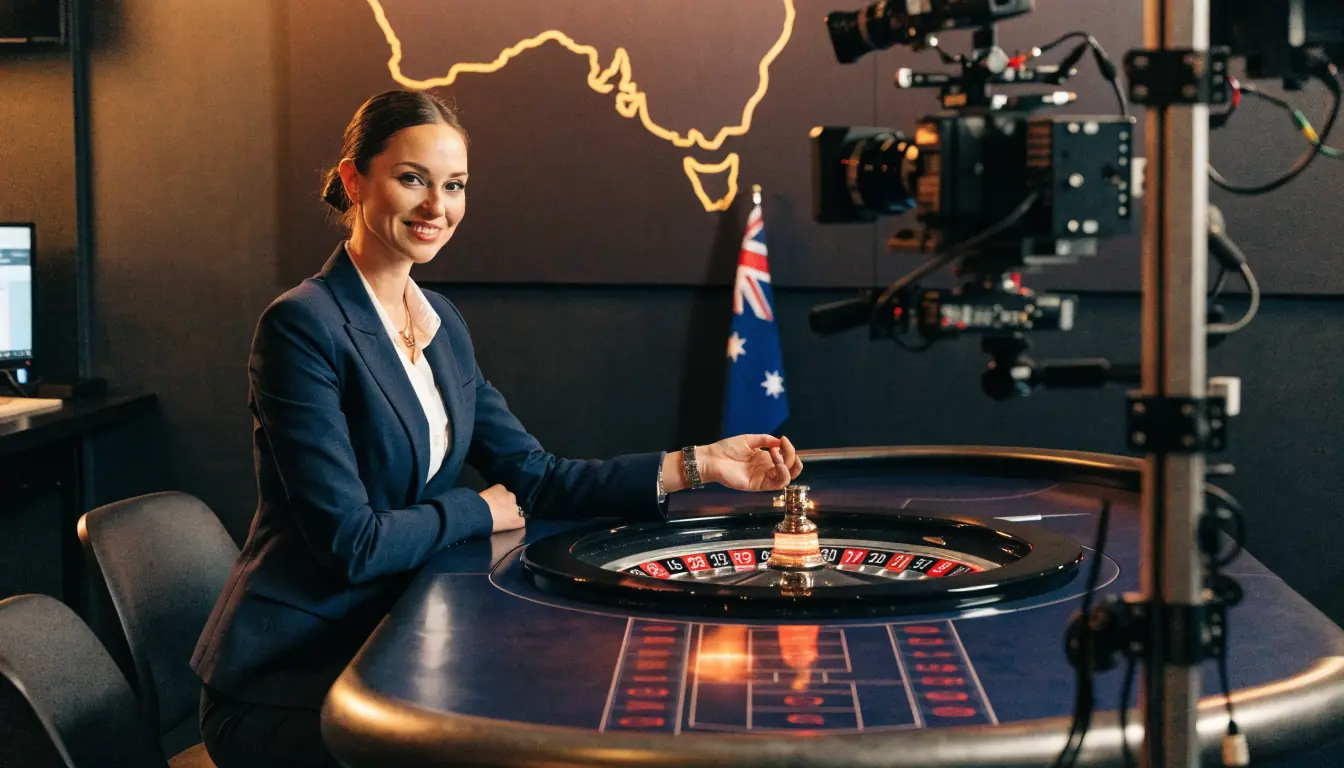
What actually shows up when someone looks for Plinko
Offshore-licensed operators, generally holding authorisation from a gambling regulator in another jurisdiction. They accept Australian visitors because the IGA restricts operators from offering the service to residents here — it doesn’t criminalise an individual player for accessing it. That distinction gets lost constantly, usually by the same marketing that avoids saying it at all.
Crypto-friendly platforms built around Bitcoin or Ethereum payments, marketed under names that lean on "Plinko" directly — gods of Plinko, Plinko balls, Plinko ball, whatever variation tests well that month. The branding around the ball-drop mechanic multiplies faster than any actual product innovation behind it.
Multi-game casino sites where Plinko sits as one tile among slots, table games, and live-dealer rooms, rather than the whole offering.
None of these fall under an Australian gambling licence, because none can. That’s the part worth sitting with before comparing bonus terms or withdrawal speed.
What doesn’t change, wherever the operator is based
A licence from Malta, or from the UK, or from anywhere else, tells you something about that jurisdiction’s oversight. It tells you nothing about Australian consumer protection, because Australian consumer protection for this category doesn’t extend to it. There’s no local register to check the operator against, no domestic authority who’ll take a complaint about a Plinko payout and act on it under Australian gambling law.
I’ve watched this get phrased as "always play at a licensed casino" in a dozen affiliate write-ups, as if that resolves the jurisdiction question. It doesn’t. It just moves it somewhere less visible.
Lucky Guru and Plinko: My Take on the Hype
I’ve watched review aggregators build entire content categories around one falling ball. Search around and you’ll find sites ranking "the best Plinko casinos" the way they once ranked slot machines with cherries on them. Some of that comes from genuine curiosity about the game. A lot of it comes from affiliates chasing the same traffic everyone else is chasing.
Here’s what strikes me: the hype barely mentions the legal framework covered earlier in this piece. No domestic licence. No local regulator approving any of it. Just polished screenshots and phrases like "trusted" and "verified" doing work they haven’t earned.
None of that makes Plinko itself interesting or dull — it’s a game with fixed odds and a random outcome, nothing more mystical than that.
What I’d resist is treating enthusiasm online as evidence of legitimacy.
Hype isn’t a licence.
Prepared by the Casino Features Guide editorial staff.