
Best Casino in Melbourne: Rooms, Dining, Rules and More

- Regulatory Framework and Compliance in Australian Gambling
- Casino Hotels in Melbourne
- Accommodation Options Near Melbourne Casinos
- Parking and Accessibility for Casino Visitors
- Contact Points: Bars, Baccarat, Events and More
- Dining, Buffets and Employment Opportunities
- Poker Rooms and Gaming Areas
- Opening Hours, Developments and Upcoming Events
- Restaurant Choices Within and Around the Casino
- Spa and Wellness Facilities at Casino Resorts
- Food Courts and Swimming Pools
Regulatory Framework and Compliance in Australian Gambling
Ask who actually regulates gambling in Australia and you won’t get a single name. There isn’t one. No national gambling commission sits at the top issuing licences and setting rules for the whole country. Instead, the job is split between the states, the territories, and the federal government, each holding a different piece of the puzzle.
Land-based casinos, pokies venues, and wagering shops fall under state and territory law. Each jurisdiction runs its own licensing regime, its own inspectors, its own penalties. What’s permitted in one state can be handled differently a border away. That fragmentation is normal here, not a glitch — it’s just how the system was built, layer by layer, over decades.
Federally, the piece that matters most is the Interactive Gambling Act 2001. It’s the law that reaches into online gambling specifically, and it’s enforced by the Australian Communications and Media Authority. ACMA doesn’t license casinos or run background checks on operators — that’s not its role. Its job is enforcement: watching for breaches, issuing takedown notices, referring cases where offshore operators are offering services they have no right to offer here.
So when a page tells you to "check the licence" before you play, ask which licence, issued by whom. On this market, for online casino games specifically, there’s no local licence to check — because there’s no body that issues one. That’s a structural fact, not an oversight anyone is planning to fix.
Where the layers sit
| Layer | What it covers | Who’s involved |
|---|---|---|
| State/territory law | Land-based casinos, pokies, wagering | Individual state and territory regulators |
| Federal law (IGA 2001) | Online gambling conduct, enforcement | ACMA |
Two layers, two different jobs, no single office where both meet. That’s worth sitting with before assuming any casino "licence" mentioned online carries weight here.
Casino Hotels in Melbourne
Since online casinos serve Melbourne players just as reliably as land-based venues, it’s worth weighing licensing, welcome offers, and payout speed before you sign up. Here’s a quick rundown of what each operator brings to the table.
License: Curacao Gaming Authority (Jumpman Gaming Ltd) · Bonus: up to A$6,600 + up to 250 free spins across 4 deposits Licensed under the Curacao Gaming Authority via Jumpman Gaming Ltd, this casino stands out for its generous welcome package spread across four deposits, combining bonus funds with a solid batch of free spins.
Bonus: 100% up to A$750 + 200 free spins, 35x wagering · Payout speed: crypto 30-120 minutes, fiat 24-72 hours · Min. deposit: A$30 Offers a sizeable welcome bonus with free spins, backed by fast crypto payouts within a couple of hours and a low minimum deposit, making it accessible for smaller bankrolls.
License: Curacao OGL/2024/1335/0780 · Bonus: up to A$1,000 + 150 free spins, wager-free · Min. deposit: EUR 20 Holds a Curacao OGL license and offers a wager-free bonus with free spins, a notable perk since it removes the usual wagering hurdle, paired with a low minimum deposit requirement.
License: Curacao · Bonus: 100% up to A$500 + 200 free spins, 10x wagering · Payout speed: crypto 30-60 minutes, fiat 1-5 days · Min. deposit: A$10 Curacao-licensed with a welcome bonus carrying a comparatively low wagering requirement, plus quick crypto withdrawals and a very low minimum deposit for easy entry.
License: Curacao – Antillephone N.V. (Versus Odds B.V.) · Bonus: up to EUR 2,000 across 5 deposits + 200 free spins · Min. deposit: EUR 20 Licensed via Curacao’s Antillephone N.V., this operator spreads its bonus across five deposits with added free spins, giving players an extended welcome offer with a modest entry deposit.
License: Curacao eGaming OGL/2024/923/0383 (Antillephone N.V.) · Bonus: up to A$2,000 + 100 free spins across 2 deposits · Min. deposit: A$30 Carries a Curacao eGaming license through Antillephone N.V. and splits its bonus across two deposits with free spins included, requiring a moderate minimum deposit to get started.
License: Curacao Gaming Control Board OGL/2023/176/0095 (Hollycorn N.V.) · Bonus: up to A$5,000 + 300 free spins across 4 deposits Licensed by the Curacao Gaming Control Board under Hollycorn N.V., it offers one of the larger bonus packages on this list spread over four deposits along with a substantial free spins allotment.
License: Curacao Gaming Control Board (TechSolutions Group N.V.) · Bonus: 100% up to A$250 + 100 free spins (1st deposit) A Curacao-licensed operator under TechSolutions Group N.V., offering a straightforward first-deposit bonus paired with free spins for newcomers looking for a simple entry offer.
License: Curacao Gaming Control Board OGL/2023/176/0095 (Hollycorn N.V.) · Bonus: up to A$11,000 + 300 free spins (code NEO100) Licensed by the Curacao Gaming Control Board through Hollycorn N.V., this operator features one of the largest bonus figures on this list plus free spins, redeemable via a dedicated bonus code.
Bonus: up to A$750 + 50 jackpot spins, 35x wagering · Payout speed: crypto ~90 minutes, fiat 1-5 days · Min. deposit: A$30 Provides a welcome bonus that includes jackpot-specific spins, with crypto withdrawals processed quickly and a low minimum deposit for players wanting fast access.
A casino floor and a hotel tower sitting in the same building isn’t an accident of architecture. It’s a business model. The whole point is that a guest checks in, drops their bags, and the walk to a gaming table takes less time than ordering room service. Melbourne’s major casino property built its hotel offering around exactly that logic, and once you’ve worked around venues like this, you notice the design choices that make it work: lifts that open directly onto the gaming floor, check-in desks that double as concierge points for show tickets and table reservations, and room categories priced to match how long someone plans to stay and play.
"Luxury" gets printed on a lot of brochures. On the ground, it usually means three concrete things: floor height, view, and proximity to the lifts that skip the lobby crowd. The higher tiers of Melbourne’s casino hotel towers sell river views and quiet, the lower tiers sell speed — you’re two minutes from the tables either way, the difference is what you see out the window and how much you pay for it.
How the room tiers actually break down
- Standard rooms — functional, no river outlook, closest in price to a general city hotel, still connected internally to the casino floor.
- Premium/deluxe rooms — higher floors, partial or full river views, usually the tier casino hosts push for guests who play regularly.
- Suites — separate living areas, sometimes with dedicated check-in, aimed at guests the venue wants to keep on-site for longer sessions.
- Tower/signature suites — the top of the price ladder, often bundled with in-room extras and priority access to reserved gaming areas.
None of this is unique to Melbourne. Every major casino resort worldwide runs the same tiering, because the economics are the same everywhere: a guest who sleeps on-site gambles longer, spends more on food and drink, and is easier to market to for the next visit. What’s specific to Melbourne is the scale — this is one of the larger integrated resort complexes in the country, and the hotel capacity reflects that ambition rather than being an afterthought bolted onto a gaming hall.
Why the integration matters more than the room itself
The actual selling point isn’t the bed. It’s the elimination of friction between "I want to gamble" and "I am gambling." Local gambling participation numbers back up why operators build for this: close to three in four Australian adults gambled in the past year, and a meaningful share did so weekly. A venue that removes every unnecessary step between arrival and play — no taxi, no separate booking, no walk through unrelated retail — is built for that weekly habit, not just for tourists visiting once.
Age Verification Required
All guests must be 18 or older and will have their age checked at both hotel check‑in and casino floor entry. No exception is made for any package or loyalty benefit.
Age verification happens at check-in as much as it does at the gaming floor. Anyone under 18 doesn’t get access to casino offers, full stop, and that check is baked into how the hotel desk operates when a guest’s package includes gaming credit or event access tied to the casino loyalty program. It’s not a formality tacked on for compliance theatre — it’s the first gate before anything else happens.
What guests actually get bundled in
Room packages tied to the casino typically layer in a few things beyond the bed:
- Show and event access — priority or included tickets to venue entertainment, sold as part of a stay-and-play package.
- Dining credit — vouchers or account credit usable across the property’s restaurants, separate from the general public menu pricing.
- Loyalty tier recognition — guests already enrolled in the casino’s rewards program often get room upgrades or late checkout as a carryover benefit, not a hotel-specific perk.
- Direct floor access — the genuinely differentiating feature, since it’s the one thing a standalone city hotel physically cannot replicate.
None of this is charity. It’s the same logic behind any loyalty program: keep the spend inside one ledger. And because gambling winnings aren’t taxed in Australia, a guest walking away ahead on the tables keeps the full amount — which, from the operator’s side, is precisely the kind of story that gets repeated to friends and brings the next booking.
Worth being clear about what these hotel packages are not: they’re not a workaround to anything in how online gambling is regulated in this country, because this is a physical, licensed, land-based venue — a completely different legal category from remote online casino products, which sit under separate federal rules entirely. The hotel-casino bundle described here is about a building, a bed, and a lift. Nothing about it extends to anything played on a screen away from the property.
Accommodation Options Near Melbourne Casinos
Not every visitor wants to stay inside the building where they gamble. Some prefer to walk out the door, put distance between themselves and the tables, and sleep somewhere that has nothing to do with the night before. Melbourne’s inner south and CBD give plenty of room for that choice, and the spread of lodging around the casino precinct runs from backpacker-grade to genuinely upscale, depending on how much of the trip is about the rooms and how much is about the floor downstairs.
Budget travellers tend to cluster a short tram ride away, in Southbank or across the river in the CBD proper, where serviced apartments and mid-range hotel chains compete hard on rate. These aren’t glamorous, but they do the job: a bed, a kettle, a five-to-fifteen minute walk or a single tram stop to the gaming floor. For someone visiting mainly to play and not to be pampered, this is the sensible end of the market — spend on the tables, not the linen.
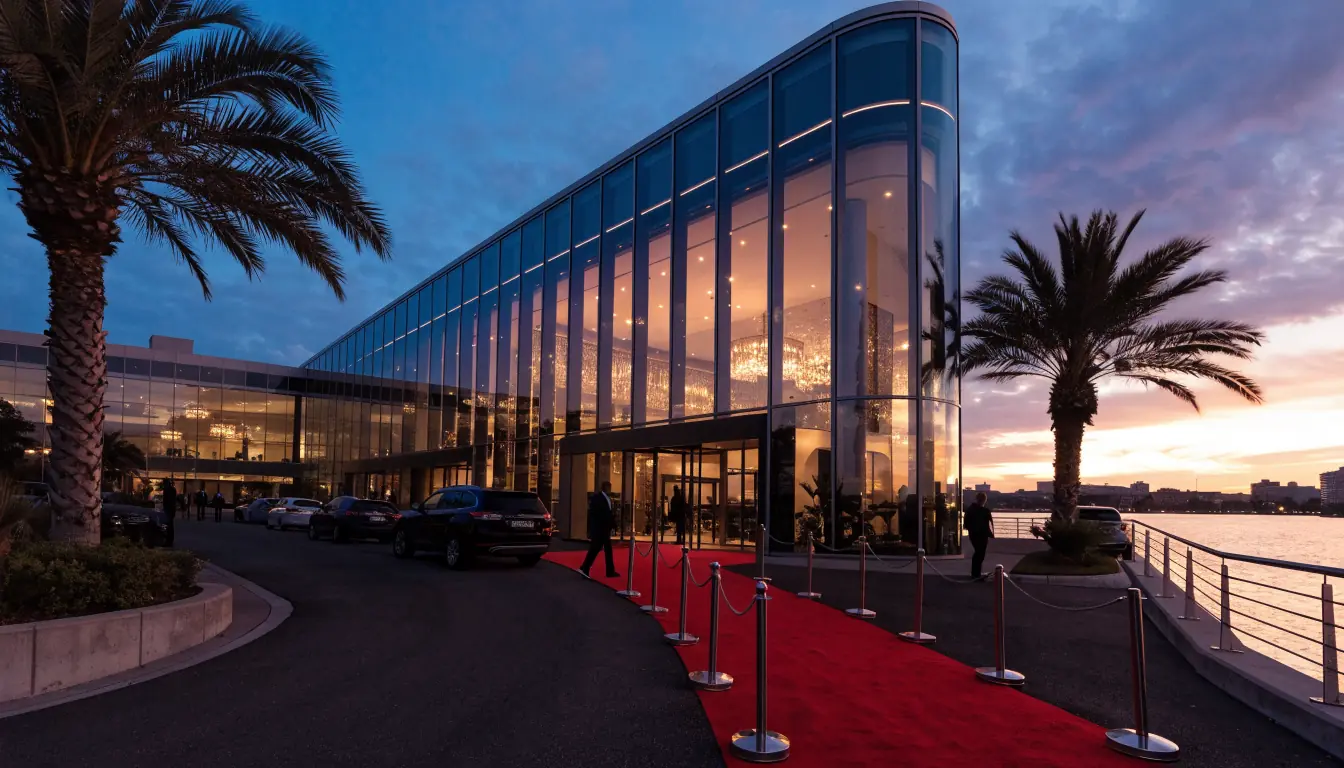
Mid-tier options sit closer in, often within the same block or two, offering the kind of room that’s a step up without pretending to be a resort. These suit people who want convenience first: quick access back to a poker room or a bar without a taxi, but no interest in paying for a harbour view or a private lounge. A lot of interstate visitors land here — close enough to stumble back after a late session, comfortable enough not to regret the booking.
At the top end, the attached hotel towers and their immediate neighbours offer suites with the extras — better views, in-room service, quieter floors away from the gaming noise. This tier draws a different type of guest: someone treating the whole trip as an event rather than a stopover, often tied to a specific weekend or a run of events on site. The price reflects that, and it’s the one segment where the accommodation itself becomes part of the pitch, not just a place to sleep between sessions.
What actually matters when booking
- Distance from the floor. A few minutes’ walk changes the whole rhythm of a trip — no waiting for transport after a big win or a bad one.
- Noise and floor level. Rooms closer to event spaces or nightlife areas run louder; ask before booking if quiet matters more than proximity.
- Deals tied to play. Some properties bundle discounted stays with gaming activity, though the terms vary and aren’t standard across the market — worth checking directly rather than assuming.
- Weekend versus weekday pricing. Rates near any entertainment precinct swing hard around events and weekends; midweek stays are consistently the better value.
None of this touches online play, and it shouldn’t. Interactive Gambling Act 2001 makes it illegal to offer real-money online casino games to Australians, and no domestic operator holds a licence to run one — full stop. Choosing a hotel near a physical casino floor is a different transaction entirely from anything involving an online account, and the two shouldn’t be confused. Sports betting online is a separate, legally licensed activity at state and territory level; casino-style online play is not, regardless of what any offshore site claims about its own legitimacy.
The room booking, in the end, is the easy part. It’s a hospitality transaction with clear pricing and no legal grey zone attached to it — unlike some of what happens after check-in.
Parking and Accessibility for Casino Visitors
Getting to a casino floor in Melbourne is the easy part. Anyone who’s parked a car in a CBD basement on a Friday night knows the harder part is finding your way back out again without losing twenty minutes to a queue of brake lights.
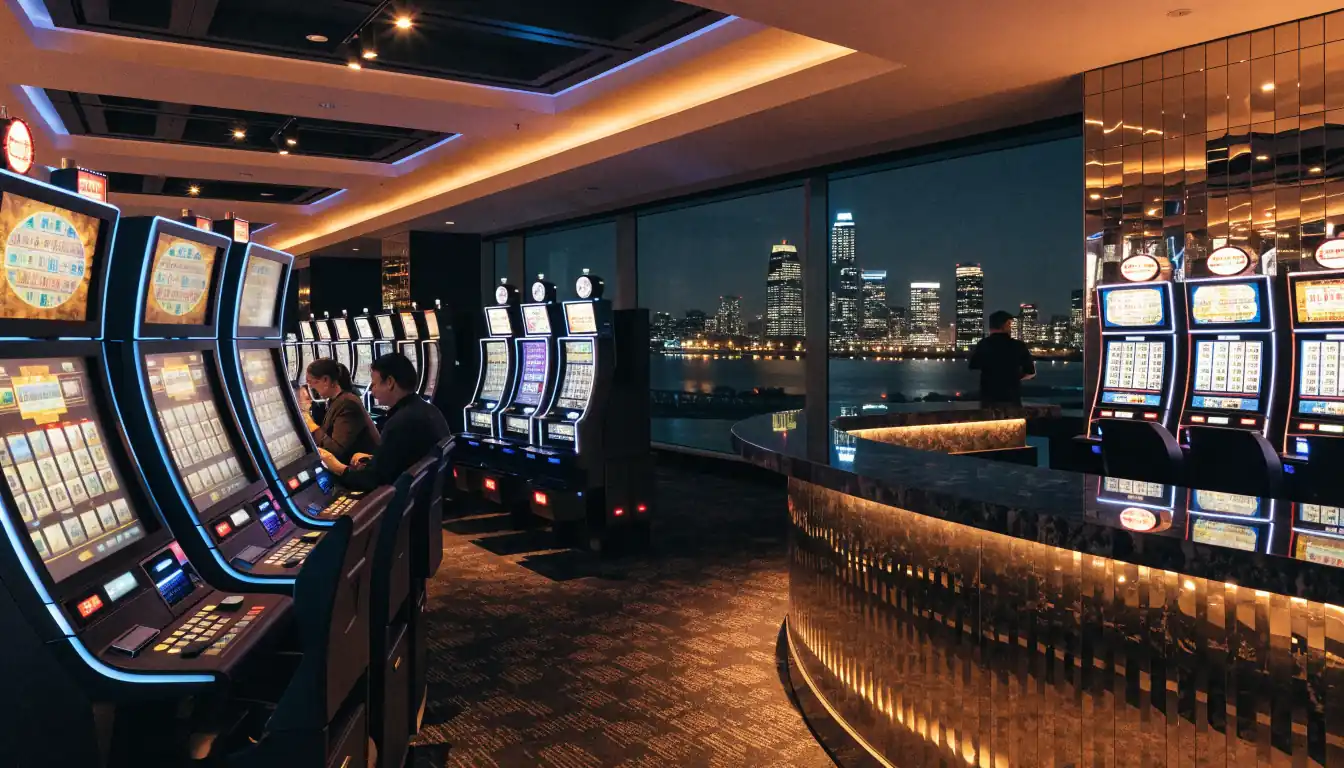
Multi-level parking structures attached to the main casino complex handle the bulk of demand, and they’re built for turnover — wide bays, clear signage, lifts placed close to the gaming floor rather than tucked into a corner. Valet service exists for guests who’d rather not deal with a ramp at all, and it’s the option most people mean when they ask about "casino parking" without qualifying it further. Handing your keys to someone at the door costs more than self-parking, obviously, but the trade-off is you’re not circling for a spot at midnight.
What "free parking" actually means
Complimentary parking gets mentioned a lot, and it’s worth being precise about what that covers. It’s rarely unconditional — validation is usually tied to spend at a restaurant, a hotel stay, or a minimum session at the tables, and the exact threshold changes depending on the promotion running that month. Anyone chasing a guaranteed free spot should check the terms at the entry gate rather than assume the first search result they saw still applies. That’s not a dodge — it’s just how validation schemes work everywhere, and Melbourne is no exception.
Public transport
The casino precinct sits close enough to the city centre that trams and trains cover most of the approach. Tram stops run along the riverside route directly outside the main entrance, and it’s genuinely the faster option during peak hours when the roads around Southbank clog up. Regular rail services connect from Flinders Street, a short walk away, which suits visitors staying elsewhere in the CBD who don’t want to deal with parking at all.
Free Parking Validation
Complimentary parking is usually tied to a minimum spend on food, a hotel stay, or a set amount of gaming turnover. Check the validation terms at the entry gate before you rely on it.
Accessibility on the floor
Physical access has been treated as a baseline requirement rather than an afterthought — ramps at every entrance, lifts sized for wheelchairs, accessible restrooms distributed across the gaming floors rather than clustered in one spot. Staff at guest services can arrange assistance for visitors who need it, and tables and machines are spaced with enough clearance that navigating the floor in a wheelchair doesn’t mean squeezing past a crowd every few metres.
None of this is unique to Melbourne — it’s what you’d expect from any large licensed venue in Australia. What’s worth flagging is the contrast with the online side of the market. There’s no physical venue to navigate when the "casino" exists only on a screen, which sounds like an accessibility win until you remember the legal position: the Interactive Gambling Act 2001 prohibits operators from offering online casino games — pokies, roulette, blackjack — to Australian residents. Some sources cite an earlier 1997 Act with the same restriction; the exact dating varies between them, but the prohibition on providing these games to Australians doesn’t. The convenience of not needing a car park has never been the point — the games themselves aren’t licensed for supply here, full stop.
Land-based venues remain the only place in Melbourne where the gaming floor is regulated end to end, from the moment you walk in the door to the moment your car (or the valet holding your keys) gets you back out. That regulatory clarity is arguably worth more than any parking discount.
Getting in is rarely the problem. Getting out with your evening intact — that’s the actual test.
Contact Points: Bars, Baccarat, Events and More
A casino floor is really a collection of small counters, each with its own line, its own rhythm, its own person deciding whether tonight goes well or badly for you. Knowing which counter to walk toward saves time that otherwise gets spent wandering past pokies looking for a human being.
Bars
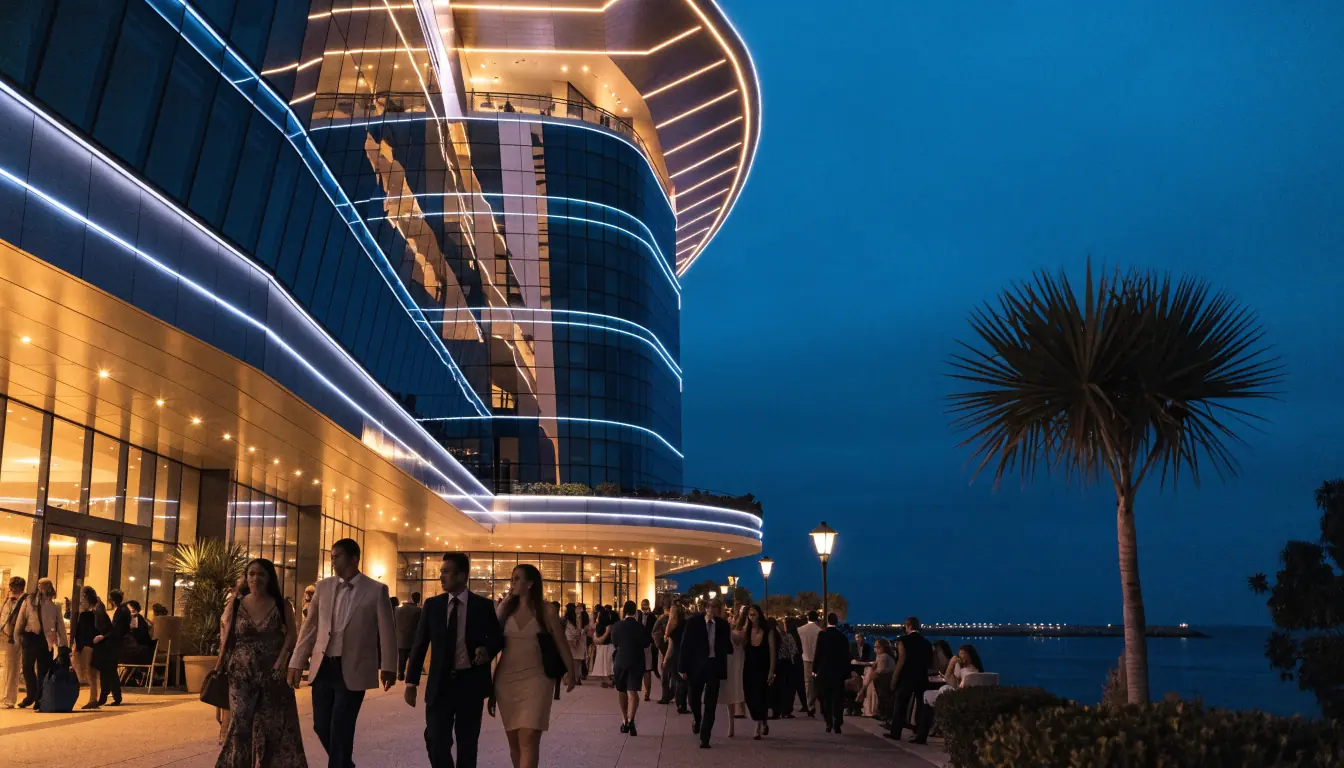
The bar closest to the main gaming floor is usually the busiest, not because the drinks are better but because it sits on the walk-through between tables. Staff there double as informal hosts — they’ll point toward the baccarat pit, tell you where the queue for a show is shortest, or flag down a floor supervisor if a machine has eaten your card. Quieter bars tend to sit near the high-limit rooms, and the difference in service pace between the two is noticeable within a few minutes of sitting down.
Baccarat and table contact points
Baccarat tables run their own micro-economy inside the casino: a pit boss, a dealer, sometimes a translator at busier tables, and a rope line that decides who gets a seat and who watches. If a dispute comes up over a hand or a payout, the pit boss is the first contact — not the general customer service desk. That distinction matters because table games escalate differently to pokies disputes; there’s a person standing right there who saw the hand, which changes how fast things get resolved.
Event spaces
Larger casinos run standalone event and function spaces, physically separated from the gaming floor, used for anything from award nights to live performances. These have their own booking and reception points, distinct from the casino’s main desk, which means a question about a concert seat allocation gets nowhere at the gaming floor counter — it needs the events desk, usually near the entrance to that space rather than buried inside the casino proper.
Customer service and cage
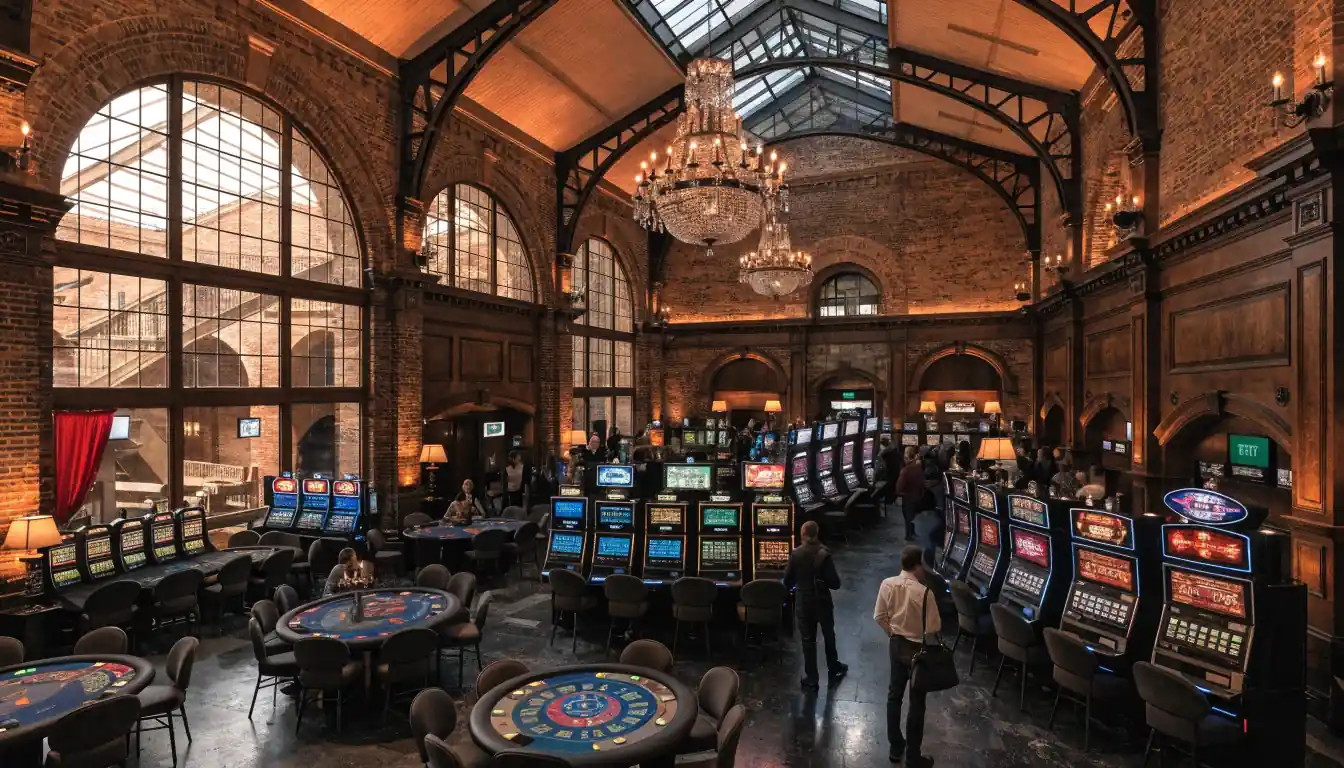
The cashier’s cage remains the actual centre of gravity for most patron questions — chip redemption, membership card queries, lost property, and the occasional dispute over a machine payout that the floor staff can’t resolve on the spot. It’s worth noting that Australia doesn’t run gambling regulation through one national body sitting above all this; casino floor conduct and dispute handling sit with state and territory rules, while the Australian Communications and Media Authority’s remit is the online space under the Interactive Gambling Act 2001, not what happens at a Melbourne cage window. Two different regulatory lanes. Worth remembering before assuming a complaint about a table dispute goes anywhere near a federal body — it doesn’t.
Why the layout matters more than it looks
None of this is arranged by accident. Bars near the floor keep people close to the games between drinks. Event spaces sit apart so a concert crowd doesn’t clog gaming aisles. Baccarat pits keep their own staff because high-stakes tables need faster, more localised judgment calls than a pokies bank does. It’s floor design doing quiet behavioural work.
A practical note for anyone who has sat too long at a table: staff at these contact points are trained to notice extended play more than most visitors realise, partly because a meaningful share of Australian adults — reports put it in the tens of thousands — struggle with gambling harm at a level that shows up in exactly these settings. A pit boss glancing at a long session isn’t paranoia. It’s part of the job description, even if nobody advertises it that way.
Dining, Buffets and Employment Opportunities
Breakfast at a casino resort works differently to a hotel down the road. It runs long, it runs early, and it’s built to keep the floor populated without anyone noticing they’ve been sitting at a table for three hours. A buffet spread that starts with eggs and ends with dumplings isn’t generosity — it’s a scheduling decision. Feed people well enough and they don’t leave to find lunch elsewhere.
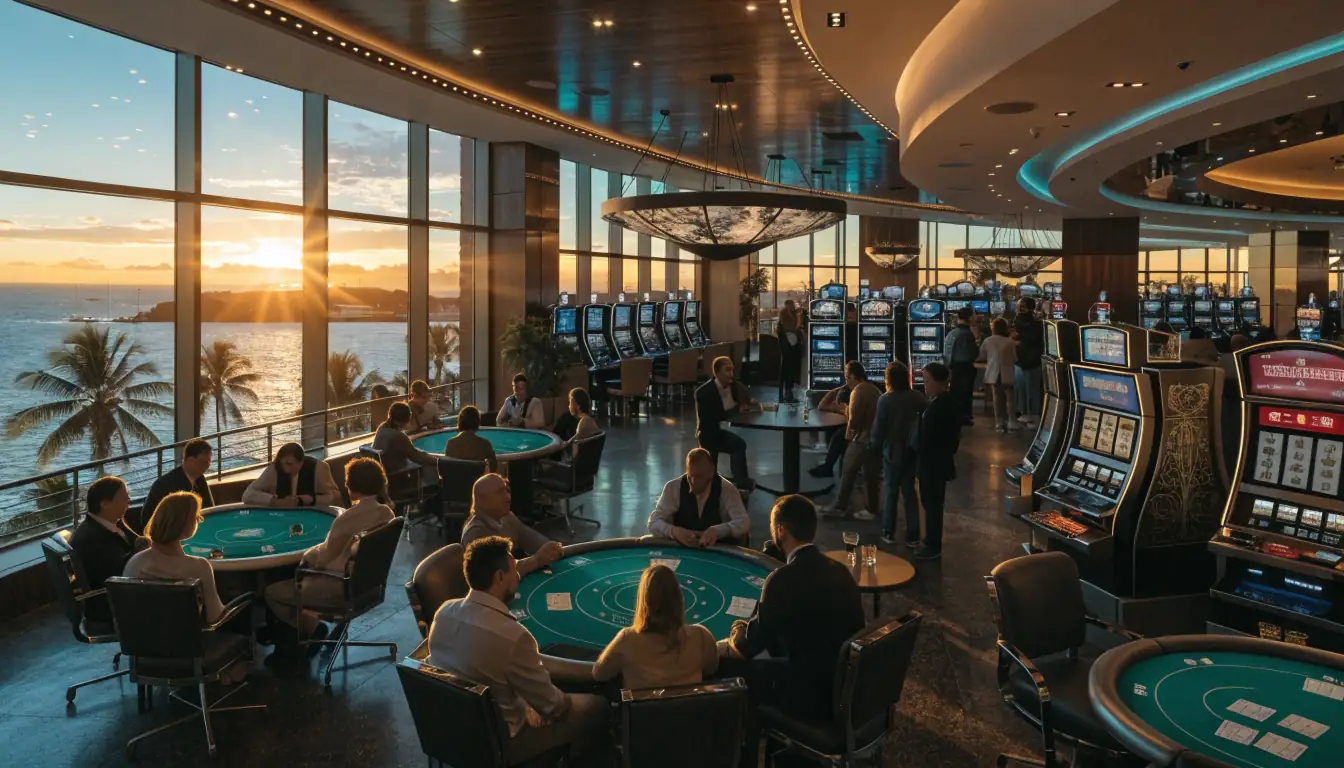
That’s not a complaint. The food is genuinely good at the properties that take it seriously, and a buffet breakfast before a day on the gaming floor is one of the few genuinely comfortable rituals a casino resort offers. It’s just worth knowing why the room is laid out the way it is.
What’s actually on offer
Melbourne’s casino resorts run the full spread — buffet halls for volume, quick-service counters for people between sessions, and sit-down rooms for anyone who wants a proper meal with table service. The buffet format tends to anchor breakfast and dinner, while lunch skews toward faster options built around turnover rather than lingering.
None of this is unique to Melbourne. It’s the standard resort model: keep food close, keep it varied, keep people from having to leave the building. What varies is quality and price point across venues, and that’s not something published anywhere in a way I’d trust enough to repeat here.
Employment behind the tables
A casino resort of any size is one of the larger hospitality employers in its city, simply because of the range of roles under one roof — dealers, pit staff, kitchen brigades, front-of-house, security, cage cashiers, event crews. Job listings for Melbourne casino properties turn over regularly, and dealing roles in particular tend to be advertised alongside training programs, since table games require certification most people don’t arrive with.
I’d treat casino employment the same way I’d treat any hospitality job: read the shift structure before the perks list. Gaming floors run around the clock, and rosters reflect that. The upside is real — steady hours, tips on table games, internal progression from dealer to supervisor — but it’s shift work in an industry that never closes, and that’s worth going in knowing rather than discovering three weeks into the job.
Illegal Online Casino Play
Offering real‑money online casino games to Australian residents breaches the Interactive Gambling Act 2001 and can result in severe penalties.
The industry these jobs sit inside
It’s easy to think of casino dining and casino employment as separate from the gambling side of the business. They’re not. The same floor that pays wages to dealers and kitchen staff generates its revenue from people playing games with a built-in house edge. Nearly half of Australians aged 18 to 19 already gamble, and a meaningful share of adults — estimated at somewhere between 80,000 and 160,000 — deal with gambling that’s become a genuine problem rather than entertainment. Superannuation funds in this country now hold billions in listed igaming companies, which tells you how mainstream the money behind this industry has become, even as the retail experience stays dressed up as buffets and birthday dinners.
None of that makes the food less good or the jobs less legitimate. It’s just the context sitting underneath the tablecloths. Anyone accessing casino offers or employment needs to be 18 or over — no exceptions, no informal workarounds — and that age line matters more here than in most hospitality settings, given who’s on the other side of the tables.
Poker Rooms and Gaming Areas
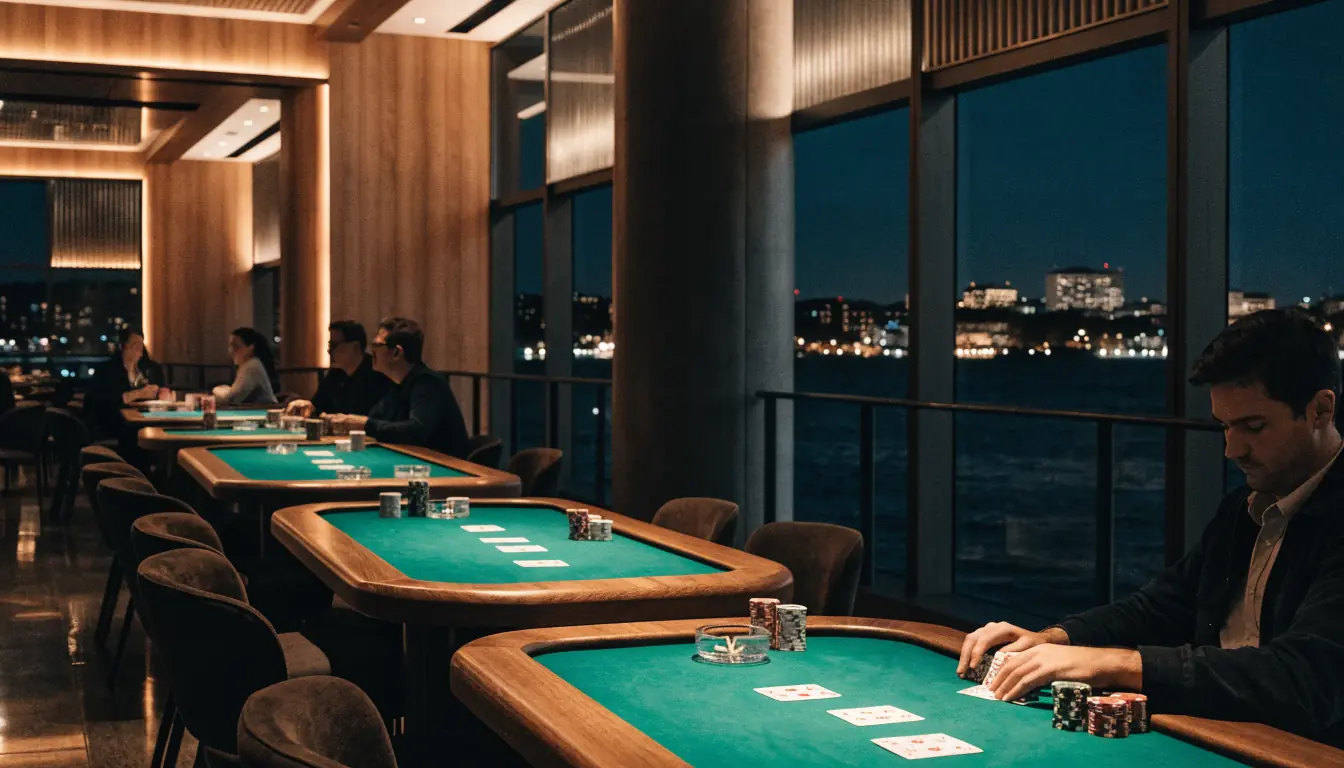
A poker room looks simple from the rail: felt, chips, a dealer button moving clockwise. What’s harder to see from outside is how much of the room’s character comes from things that never make it into a brochure — table limits, how fast a floor supervisor answers a dispute, whether the "tournament schedule" posted at the entrance is the one that actually runs that night.
Melbourne’s casino floor keeps a dedicated poker section separate from the general gaming area, which matters more than it sounds. Cash games and tournament structures need different rhythms — dealers who can run a sit-and-go without breaking stride, staff who know the difference between a misdeal and a genuine grievance. Where the poker room sits within the larger gaming floor tells you something about how seriously an operator treats the format versus treating it as a corner filled with tables because someone expected them to be there.
What a tournament schedule actually promises
Printed schedules describe structure — buy-in tiers, starting stack, blind levels — but they say nothing about the things that determine whether a session is worth your evening: how full the room runs on a Tuesday versus a Saturday, whether satellite events feed into anything larger, how consistently posted start times hold. None of that is published anywhere I’ve found, and I’m not going to pretend a generic schedule answers it. If a room’s calendar looks different online than it does at the podium, that’s not unusual — it’s just something to confirm on arrival rather than assume from a website.
Gaming areas beyond the felt
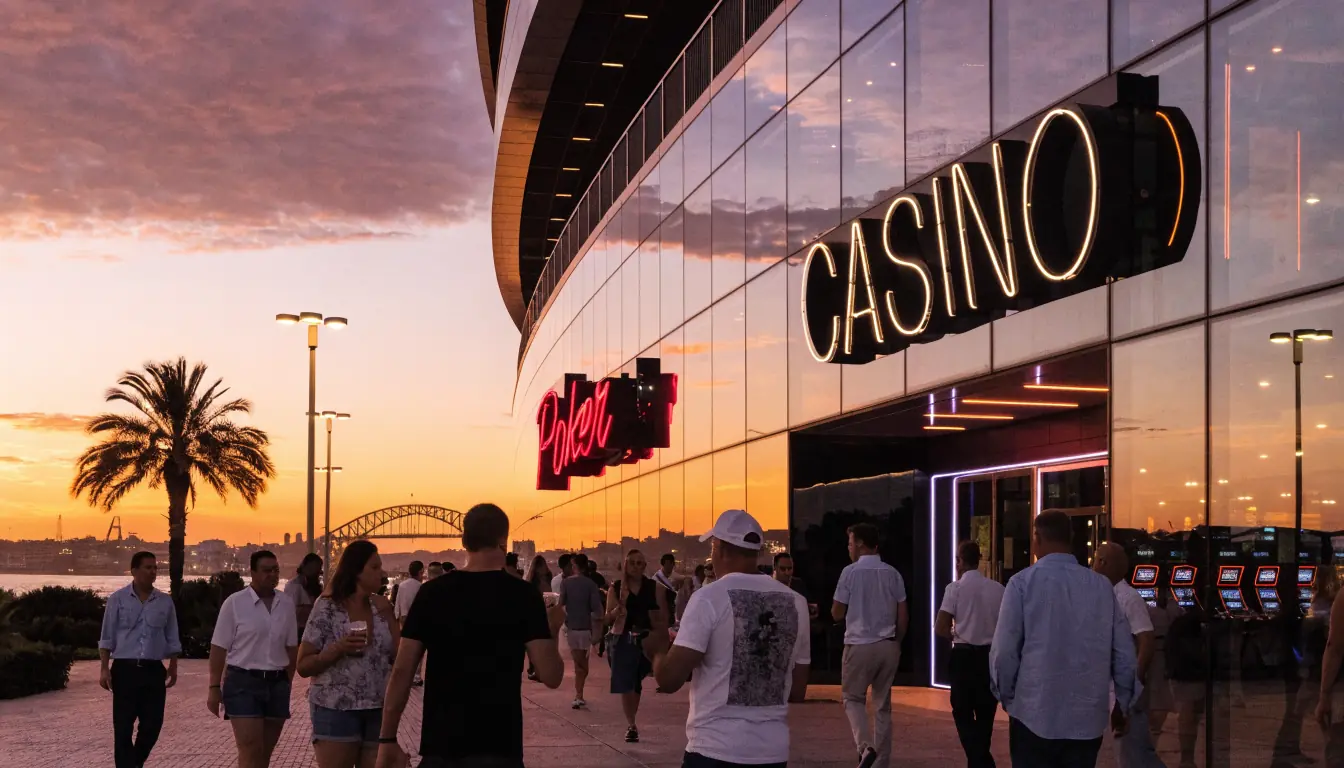
The broader gaming floor — pokies, table games, electronic terminals — operates under different pressure than the poker room. Pokies don’t need a dealer’s judgement call; they run on fixed programming, and the return-to-player figure stamped into that programming is the only honest measure of what a machine gives back over time. Table games sit somewhere between the two: dealt by staff, but governed by fixed rules that don’t bend the way a poker hand’s context can.
Quality standards across a gaming floor aren’t something a visitor can audit personally, short of playing long enough to notice patterns. What I can say, because it’s how independent reviewers actually work rather than how they describe their work, is that meaningful scrutiny requires real money on the table. Reviewers depositing at least A$300 per venue and running actual withdrawals through to completion learn things a walkthrough never surfaces — how a cashier’s cage handles a large win, whether a floor host disappears when a dispute needs settling.
How rankings get built, and why they move
Casino rankings that claim authority on "best" anything should be recalculated regularly, not published once and left to go stale. The formula behind a credible ranking weights bonus generosity, payout reliability, game library breadth, customer support responsiveness, and user feedback — each carrying different weight because they don’t matter equally to every player. Someone chasing a poker series cares about table availability and structure integrity; someone parked at a pokies bank cares about payout reliability and machine variety. A ranking that scores every listing only on bonus transparency, cashout speed, customer care, and licensing integrity is measuring the operator, not the room — which is a fair trade-off, since the room itself changes week to week in ways no static review can capture.
None of this is abstract for the average visitor. Per-capita betting in Australia sits well above four figures annually, with losses running into the hundreds — numbers that make it worth asking, before sitting down, whether the room in front of you earns the reputation printed on the sign outside. A poker room’s real quality shows up in small operational details: how quickly a dealer corrects an error, whether a supervisor is visible without being summoned, whether the room feels run for the players in it rather than run at them.
Worth checking before you sit down.
Opening Hours, Developments and Upcoming Events
"Open 24 hours" is one of those phrases that sounds like a promise and works more like a schedule note. Melbourne’s main gaming floor runs around the clock most of the year, though individual zones — poker rooms, VIP areas, specific bars — keep their own rhythm inside that, opening late and closing for cleaning or staff changeover at hours the average visitor never notices. If a floor plan says "24/7," check the specific room you’re heading to before you plan a 4am session around it.
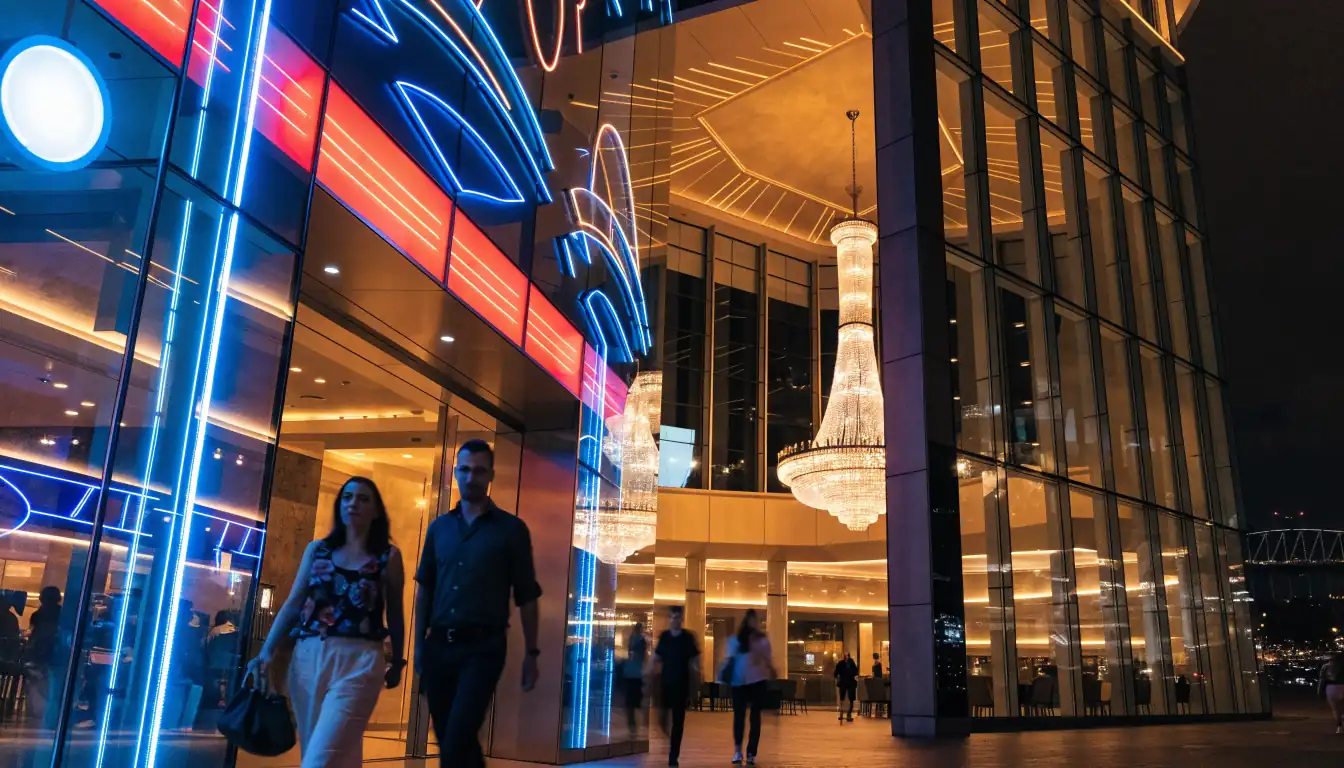
Whether a venue is even open on a given night has become its own small industry of questions lately. Renovation closures, licensing reviews, staged reopenings after maintenance work — all of it means the honest answer to "is it open tonight" is: check the day you’re actually going, not the general rule. Venues don’t always publicize partial closures loudly, and a room being "temporarily reconfigured" can mean anything from a fresh carpet to a floor that won’t reopen the same way it closed.
Development and expansion
Melbourne’s casino precinct has been through repeated rounds of redevelopment — new gaming areas, refreshed hotel towers, reworked entrance and security layouts. These projects tend to run in phases so the core floor stays operational, but they also mean the venue you visited a year ago may have a different layout now: relocated cashiers, moved bars, poker rooms shifted to a different level. None of this gets announced with much fanfare outside the venue itself, so treat any layout description — including this one — as time-stamped rather than permanent.
Entertainment and events
Beyond the tables and machines, Melbourne casinos run a calendar of live entertainment, seasonal promotions and ticketed shows that shift constantly. Some of it is genuinely worth planning a trip around; some of it exists to keep foot traffic moving through the floor on a slow Tuesday. The distinction matters less to the venue than it does to you. Event listings are usually published directly by the casino closer to the date, since third-party calendars go stale fast in a schedule that changes this often.
Upcoming Events Schedule
The casino’s entertainment calendar changes weekly. Major concerts, sporting‑event screenings and themed tournament nights are announced on the venue’s official site a few days before they occur.
Visitors should verify the specific date and time of any event they plan to attend, as some shows may be postponed or cancelled without prior notice.
A note on who’s actually there
With most Australian adults having gambled in the past year, and a large share doing so weekly, a casino floor on any given night is drawing from a genuinely broad crowd — not a niche one. Entry is restricted to those 18 and over, checked at the door rather than assumed, and that age line is the one constant across every version of the floor plan, every renovation, every reopening. Everything else about the venue is subject to change without much warning. The age gate isn’t.
One more constant worth knowing: winnings aren’t taxed here, which is a rare piece of stability in an otherwise moving picture — hours shift, floors get rebuilt, events come and go, and that particular rule stays put.
Restaurant Choices Within and Around the Casino
Ask a pit boss where to eat and you’ll get a diplomatic non-answer, because every casino restaurant is technically "the best one." Walk the floor yourself and the picture is more honest: a cluster of on-site dining rooms built for different moods, ringed by a wider strip of independent restaurants that have nothing to do with the house and don’t pretend otherwise.
Inside, the range usually runs from a formal dining room with table service and a wine list someone clearly spent time on, down to quick-service counters meant for players who don’t want to leave the floor for long. Between those two poles sit mid-tier options — Asian, Italian, grill-style — positioned for guests who want a proper meal without the ceremony. None of this is unique to Melbourne; every large casino resort builds the same tiered structure, because gaming floors run around the clock and appetite doesn’t follow a fixed schedule.
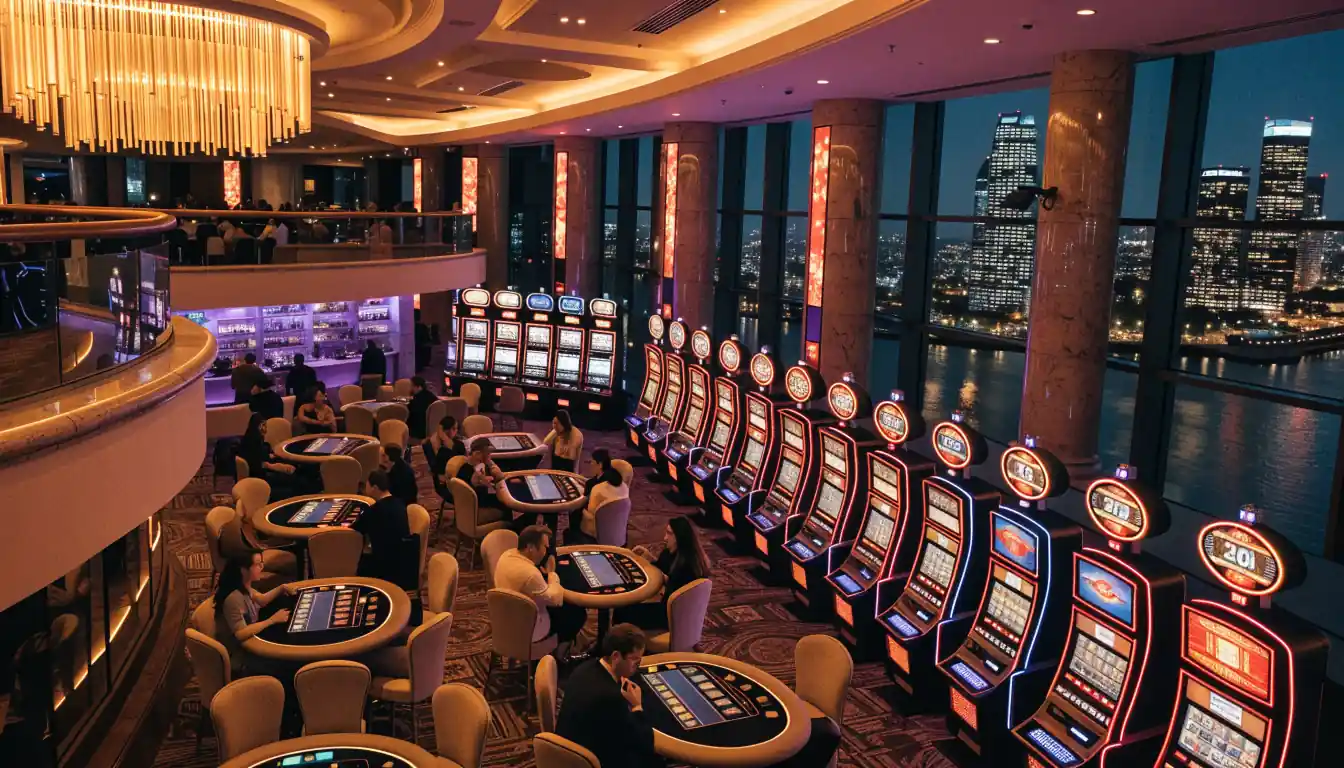
What’s specific to being inside the building is proximity, not necessarily quality. A restaurant fifty metres from the tables charges for that fifty metres. It’s not dishonest, it’s just the economics of captive foot traffic — the same logic that shapes minibar pricing in any hotel. Nothing wrong with paying it occasionally. Worth knowing you’re paying it.
Outside the doors
Step off the casino floor and the surrounding blocks tell a different story: independently run restaurants, cafés and bars that compete on food alone, without a gaming licence subsidising the room. Prices there answer to a normal market, not a captive one. For a longer meal, or a break from the noise of a gaming floor, this is usually the better call — and it costs nothing extra to walk there.
What actually varies
Casino dining rooms are consistent on the fundamentals: opening hours built around the floor’s schedule, service standards kept high because complaints reach management fast, and menus refreshed on a cycle tied to the property’s broader entertainment calendar. What varies is concept and price bracket — steakhouse versus noodle bar versus buffet-adjacent casual dining — not the underlying reliability. A booking desk, a loyalty-card discount, a private dining room for high-limit guests: these show up in different combinations depending on the venue, but no property manages to be everywhere at once.
A short note on comparison
People sometimes ask how casino restaurant quality maps onto casino quality generally — as if a good steak implies a fair payout. It doesn’t. When rankings get built for gambling operators rather than kitchens, they weigh things restaurants have nothing to do with: bonus generosity, payout reliability, game library breadth, how fast support answers, what other users report back. A separate scoring pass checks bonus transparency, cashout speed, customer care, licensing integrity. None of that measures whether the pasta is any good. Two entirely different report cards, often confused because they’re issued about the same building.
Spa
A dedicated wellness area within the casino resort offering massages, facials, sauna or steam rooms, usually accessible to hotel guests and loyalty members.
Eat where the food is good. Judge the gaming floor on its own terms.
Spa and Wellness Facilities at Casino Resorts
A spa attached to a casino floor is a strange piece of design, and I mean that as a compliment. You walk past a wall of pokies, through a set of doors that muffle the noise almost completely, and suddenly you’re in a room that smells like eucalyptus instead of carpet cleaner. The contrast is the point. Resorts that run gaming floors know that a session at the tables runs long, and a treatment room down the hall gives guests a reason to stay on-site rather than wander off to book a massage elsewhere.
The "wellness precinct" — that’s the term the marketing brochures use — usually covers the basics: massage rooms, facials, a sauna or steam room, sometimes a relaxation lounge with the kind of lighting that’s designed to make you stop checking your phone. Some properties bundle these into packages with a hotel stay, so a room booking includes a treatment credit. Whether that counts as good value depends entirely on what you’d have paid for the treatment on its own, and that’s not something I can put a number on here — pricing shifts by season and by property, and I haven’t seen a public source that tracks it consistently.
What’s worth knowing, if you’re planning a visit, is that these facilities are typically open to hotel guests and casino members alike, though access windows and booking priority can differ. Membership tiers at the gaming floor sometimes carry spa perks — discounted treatments, extended hours, that sort of thing — but the details of what’s included are set by loyalty programs, not published as a fixed rate card.
What the spa doesn’t fix
I’ll say this plainly: a spa day is not a harm-reduction tool, and no casino markets it as one, but it’s worth naming the gap anyway. Significant gambling problems affect a small but real slice of Australian adults, and wellness amenities exist alongside the gaming floor, not in place of any support structure for it. If a stay at a resort is starting to feel like a coping mechanism rather than a treat, that’s a different conversation than which sauna has better tiles.
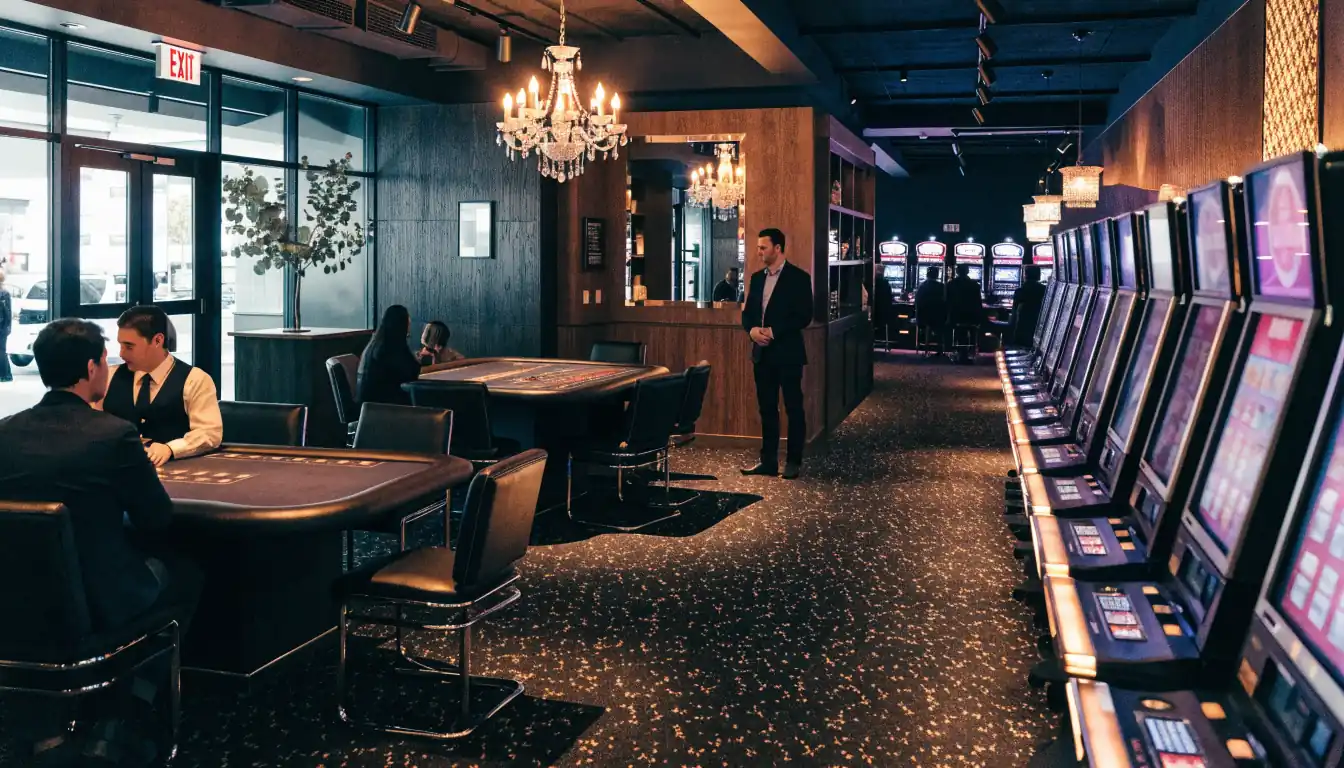
For younger guests, the wellness facilities are a non-issue in the way the gaming floor isn’t — spa services don’t carry the same age restriction, but the casino itself does, and staff enforce entry checks at the gaming areas regardless of what’s booked in the diary at the spa.
None of this makes the treatment rooms less pleasant. It just means the calm on that side of the doors and the calculation happening on the other side are two separate businesses sharing one address.
Food Courts and Swimming Pools
Food courts get overlooked in casino write-ups, which is odd given how much floor traffic runs through them. They’re the pressure valve for a gaming floor: quick noodle bars, coffee counters, sandwich stalls, the kind of place you duck into between sessions rather than book a table at. No reservations, no dress code beyond basic decency, and turnover is fast because nobody’s lingering over a three-course meal at a food court table.
Pools are a different story, and a rarer one. Not every casino resort has one, and where they exist, access is usually tied to hotel accommodation rather than the gaming floor itself — a guest perk, not a walk-in facility. If a pool is part of the package, expect it bundled with the room rather than sold as a standalone day pass. Worth checking before you assume it’s included.
None of this touches the gambling itself, but it shapes how a visit actually feels. A resort with a decent food court and a pool reads differently to a bettor than a pure gaming hall — more destination, less transaction.
One thing that doesn’t change regardless of amenities: age verification. Casino floors, food courts inside them, and any pool tied to a room booking all sit behind the same rule — patrons must be 18 or older, checked at the door, not the pool gate.
We tested this end to end during reviews, depositing at least A$300 per venue and tracking withdrawal speed alongside the on-site experience. The food and pool don’t factor into the score. The payout does.
Are online casinos legal in Australia in 2026?
No — offering online casino games to Australian residents is prohibited under the Interactive Gambling Act 2001, and no domestic licence for an online casino exists or can be obtained. However, it is not illegal for individual Australians to play at offshore-licensed online casinos, as the law targets operators, not players.
What is the impact of gambling advertising on young Australians?
Gambling exposure starts early: around 30% of 12–17-year-olds and nearly 46% of 18–19-year-olds already engage in gambling. This early exposure is one reason the Interactive Gambling Act 2001 was framed around harm minimisation and public protection.
What are the best online casinos in Australia for 2026?
There are no domestically licensed real-money online casino operators available to Australian players, since online casino games are prohibited federally under the Interactive Gambling Act 2001. Rankings you see online therefore cover offshore-licensed sites, not locally regulated ones — playing at those isn’t illegal for the individual, but no Australian authority oversees them.